

Digital Multimedia Design Trends and How to Expand Your Skills

Digital multimedia design is evolving fast. Every year, new tools, styles, and techniques reshape how creators bring ideas to life. If you want to stay ahead, you need to know what’s trending and how to grow your skills. I’ll share some of the latest trends and practical ways to expand your knowledge in this exciting field.

Digital artist working on a vibrant multimedia project
What’s Trending in Digital Multimedia Design Today
The world of digital multimedia design blends visuals, sound, and interaction. Here are some trends shaping the industry right now:
1. Motion Graphics and Animation
Motion graphics are everywhere—from websites to apps and videos. Designers use animation to make content more engaging and easier to understand. Simple animations like moving icons or text can grab attention. More complex ones tell stories or explain ideas clearly.
2. Immersive Experiences with AR and VR
Augmented reality (AR) and virtual reality (VR) are growing fast. They let users interact with digital content in new ways. Designers create 3D models, environments, and interactive elements that feel real. This trend is popular in gaming, education, and marketing.
3. Minimalist and Clean Design
Less is more. Many designers focus on clean layouts with plenty of white space. This style helps users focus on key messages without distractions. It also works well on mobile devices, where screen space is limited.
4. Bold Colors and Gradients
Bright colors and smooth gradients add energy to designs. They help brands stand out and create a modern look. Designers combine bold palettes with simple shapes for a fresh feel.
5. Audio Integration
Sound is becoming a bigger part of multimedia design. Background music, sound effects, and voiceovers enhance user experience. Creators use audio to set moods or guide users through content.
How Creators and Designers Can Expand Their Knowledge
Keeping up with trends means learning new skills and tools. Here are some ways to grow as a digital multimedia designer:
Learn New Software and Tools
Try out popular design tools like Adobe After Effects for animation or Blender for 3D modeling. For audio, software like Ableton Live helps create and edit soundtracks. Exploring different tools broadens your creative options.
Take Online Courses and Tutorials
Platforms like Coursera, Udemy, and LinkedIn Learning offer courses on multimedia design topics. You can learn at your own pace and focus on areas you want to improve.
Join Creative Communities
Online forums, social media groups, and local meetups connect you with other designers. Sharing work and feedback helps you grow and stay inspired.
Experiment with Projects
Practice by creating your own projects. Try mixing visuals and sound or building interactive experiences. Hands-on work is the best way to learn.
Follow Industry Leaders
Keep an eye on designers and studios pushing boundaries. Their work can spark ideas and show new techniques.

Designer’s workspace with digital tools for multimedia creation
Comparing Two Popular Tools for Multimedia Creators
To help you choose the right tools, let’s look at two products that support digital multimedia design:
Ableton Live
Ableton Live is a powerful audio production software. It’s great for creating music, sound effects, and mixing audio tracks. Its interface is user-friendly, making it easy to experiment with sounds. Ableton Live supports live performances and studio work, which is perfect for creators who want flexibility.
Adobe After Effects
Adobe After Effects is a leading tool for motion graphics and visual effects. It lets you animate text, create 3D compositions, and add special effects to videos. After Effects integrates well with other Adobe products like Photoshop and Premiere Pro, making it a solid choice for multimedia projects that combine visuals and sound.
Both tools serve different purposes but can work together. For example, you can create soundtracks in Ableton Live and then sync them with animations in After Effects. This combination helps build rich multimedia experiences.
You can learn more about Ableton Live here. For Adobe After Effects, visit Adobe’s official site.
Tips for Building Your Unique Style in Multimedia Design
Developing your own style helps you stand out. Here are some tips:
Explore different art forms. Look at photography, painting, music, and film for inspiration.
Mix techniques. Combine animation, sound, and interactive elements in new ways.
Stay curious. Try new tools and keep learning.
Get feedback. Share your work and listen to others’ opinions.
Be patient. Style develops over time with practice.
How Audio Arts Enhance Digital Multimedia Design
Audio arts add depth to multimedia projects. Sound can guide attention, create emotions, and improve storytelling. For example, a well-timed sound effect can make an animation feel more alive. Background music sets the tone and keeps users engaged.
If you want to improve your audio skills, consider exploring tools like Ableton Live. It offers many features for sound design and music production. Learning audio arts alongside visual design can make your projects more powerful and memorable.

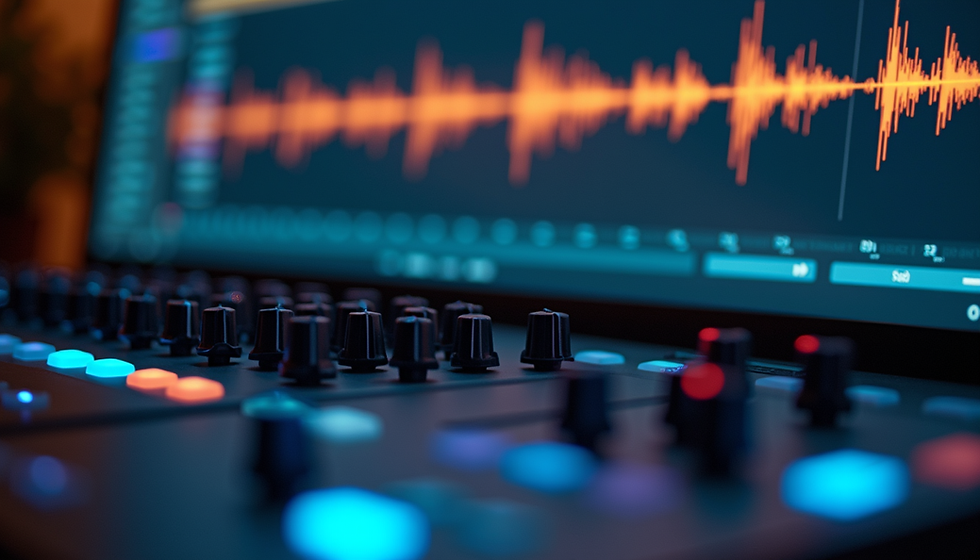
Multimedia designer mixing audio and visuals for a project
Final Thoughts on Growing in Digital Multimedia Design
Digital multimedia design is a field full of opportunities. Trends like motion graphics, AR/VR, and audio integration keep pushing the boundaries. To keep up, you need to learn new tools, practice regularly, and connect with other creators.
Using software like Ableton Live and Adobe After Effects can help you create richer, more engaging projects. Remember, building your unique style takes time and effort. Keep exploring, experimenting, and sharing your work.
If you want to take your skills further, start by picking one new tool or technique to learn this week. Small steps lead to big growth. Your creative journey in digital multimedia design is just beginning!

Comments